XXIV Edition of the Course on Current Spanish Foreign Policy Concludes
CEI International Affairs hosted this week the XXIV edition of the Course on Current Spanish Foreign Policy, a forum for academic and institutional reflection which, with the collaboration of the Ministry of Foreign Affairs, European Union and Cooperation, once again brought together leading specialists and professionals to analyse the main challenges facing Spain and Europe in the current international context.
Over the course of the three sessions, the programme addressed, from a critical and multidisciplinary perspective, the transformations of the international order, the role of the European Union amid new global balances, and the evolution of strategic alliances in an increasingly complex and uncertain scenario.
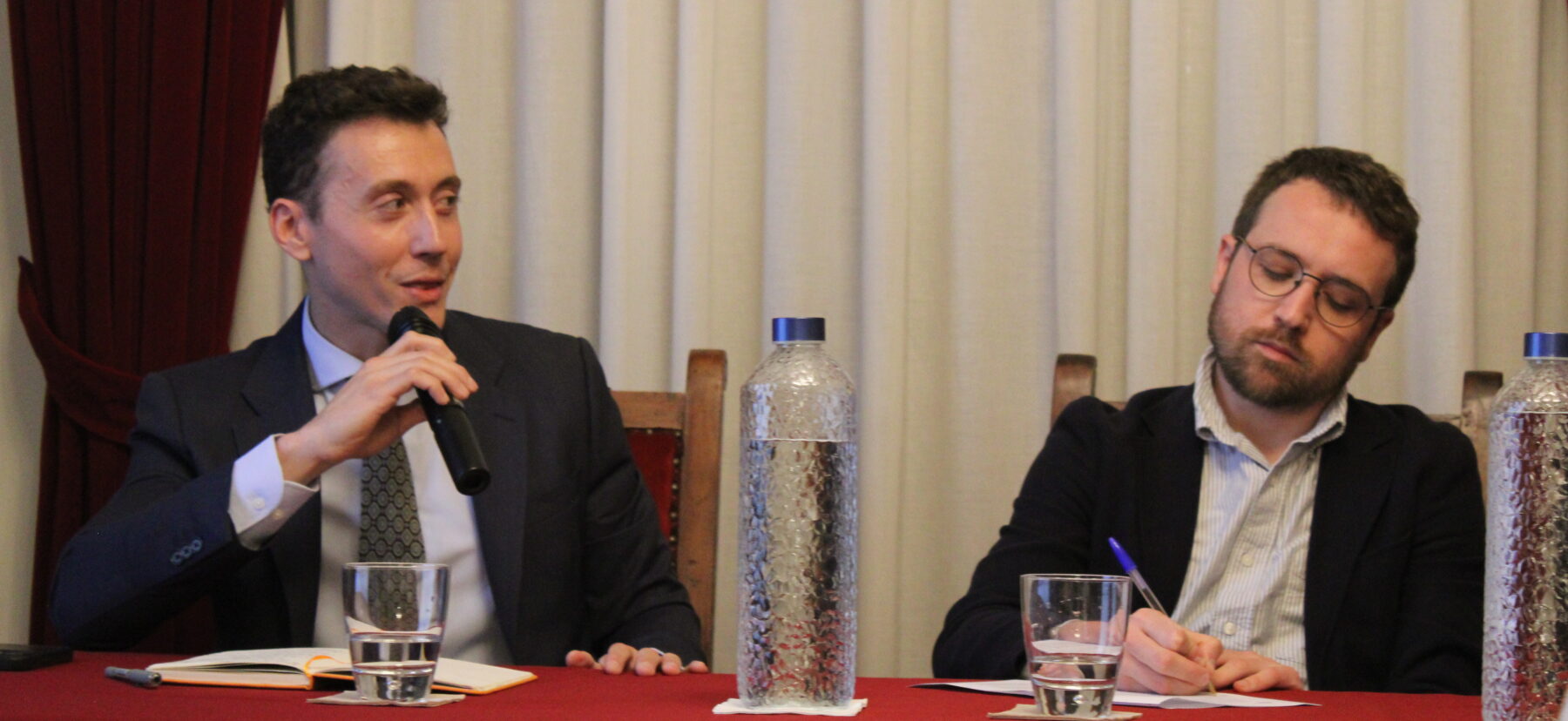
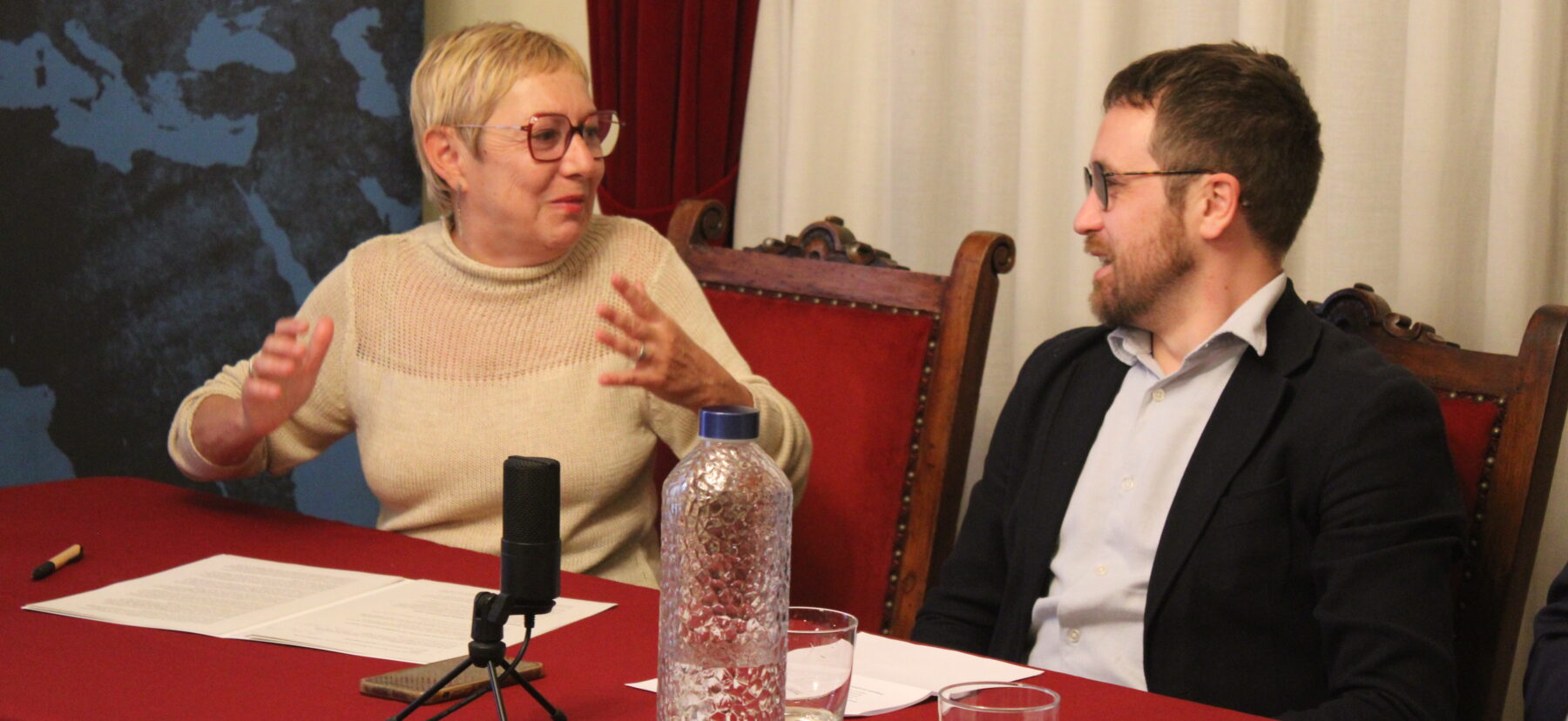
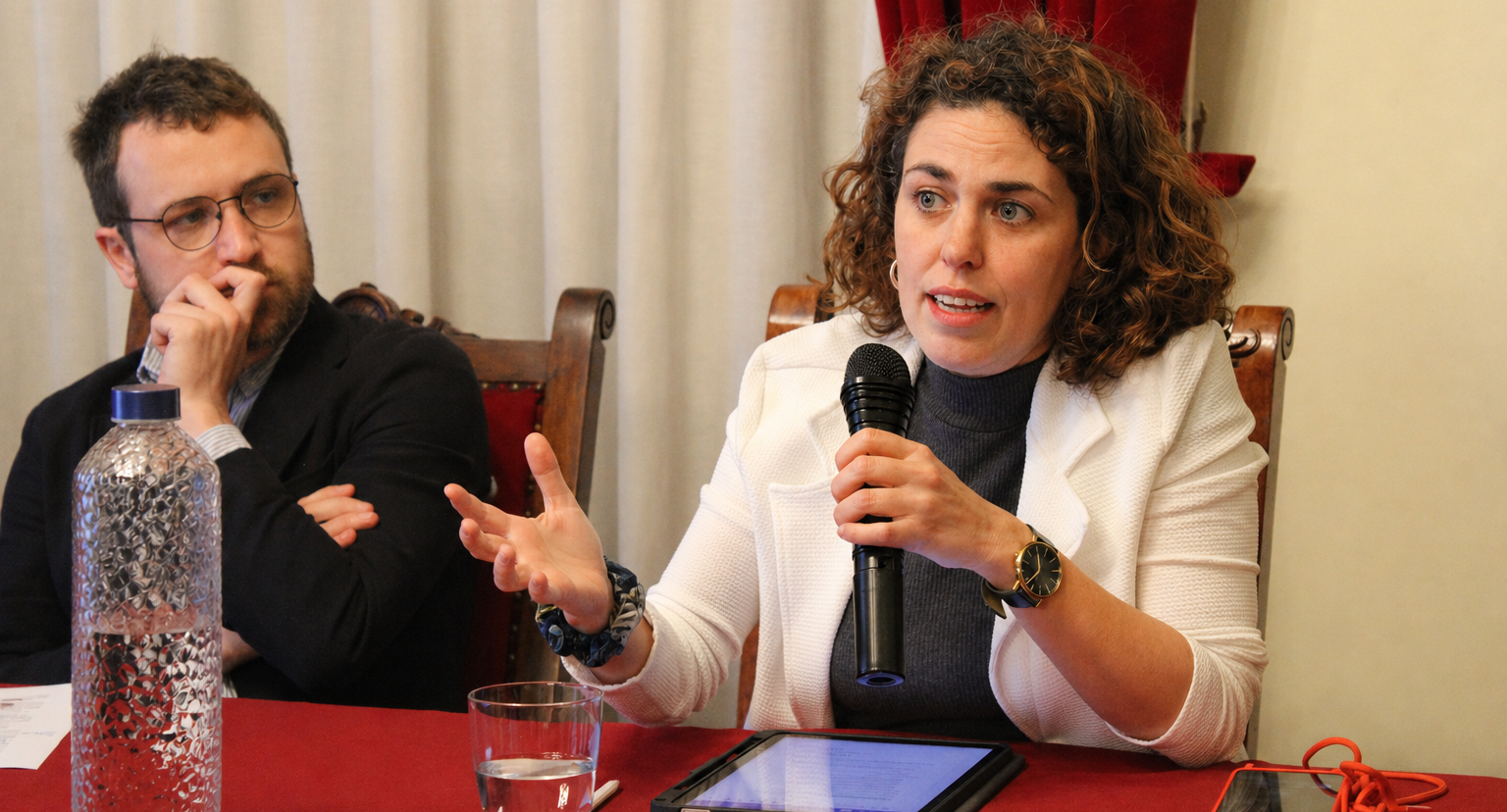
Strategic Analysis and International Debate
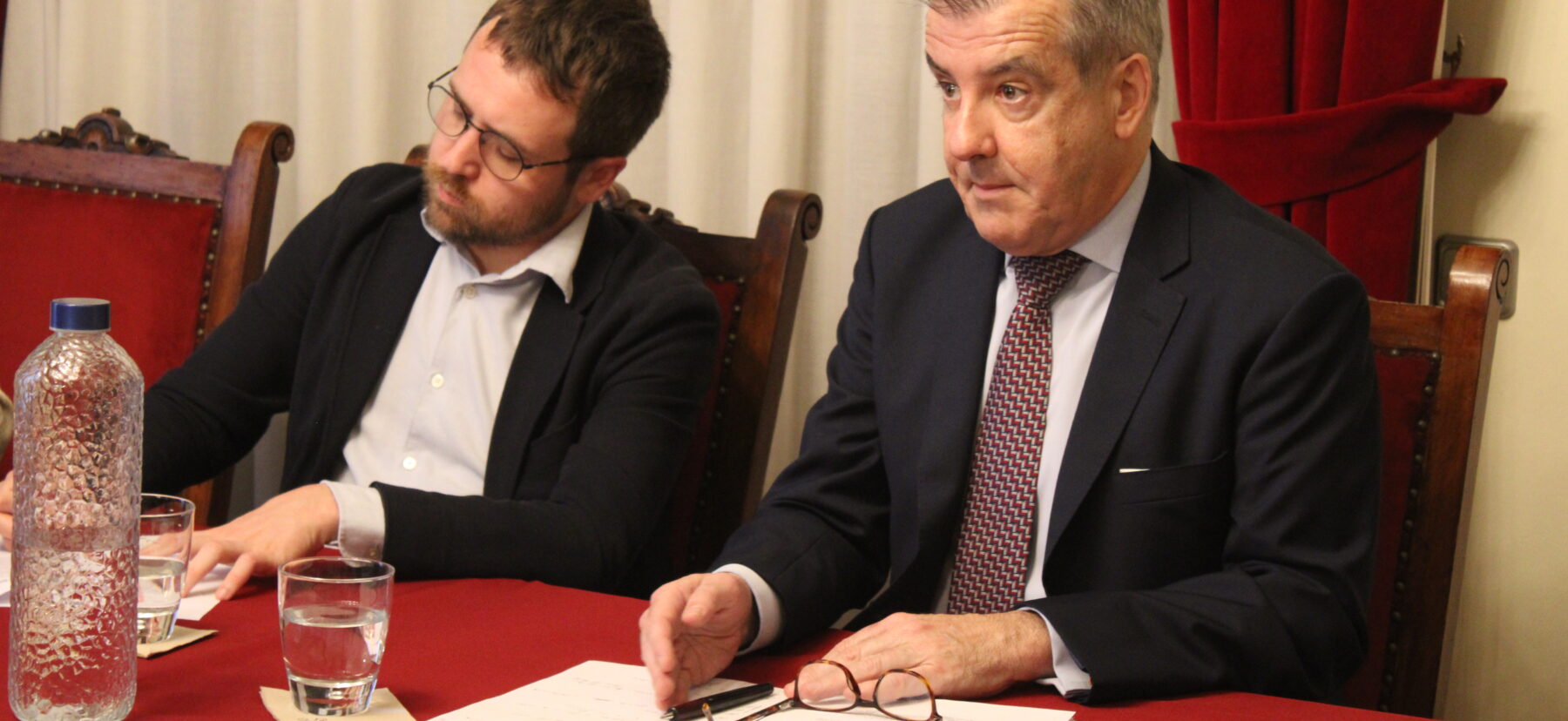
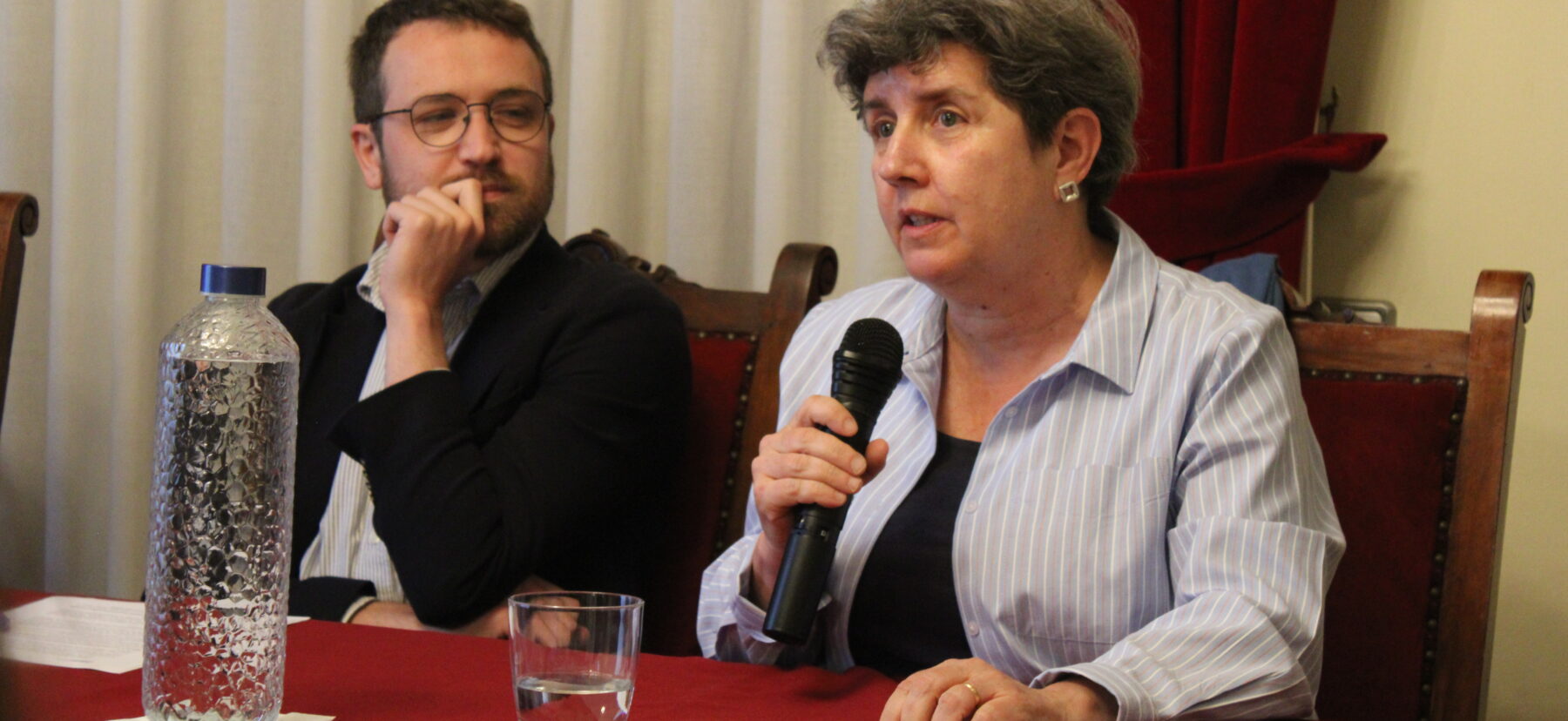
The first session, focused on the defence of European principles in the post-liberal international order, featured José A. de Ory, Political Deputy Director at the Ministry of Foreign Affairs, European Union and Cooperation, and Anna Ayuso, Senior Researcher at CIDOB (Barcelona Centre for International Affairs). The discussion explored the paradigm shifts currently reshaping international politics and the challenges these changes pose for Europe.
The second session focused on the European project within the new global trade system. Speakers included José González, Head of Bilateral Relations with European Countries at the Ministry of Foreign Affairs, European Union and Cooperation, and Patricia García-Durán, Associate Professor at the University of Barcelona. Both experts reflected on the European Union’s regulatory capacity and resilience, as well as its strategic role in areas such as the digital and economic transition.
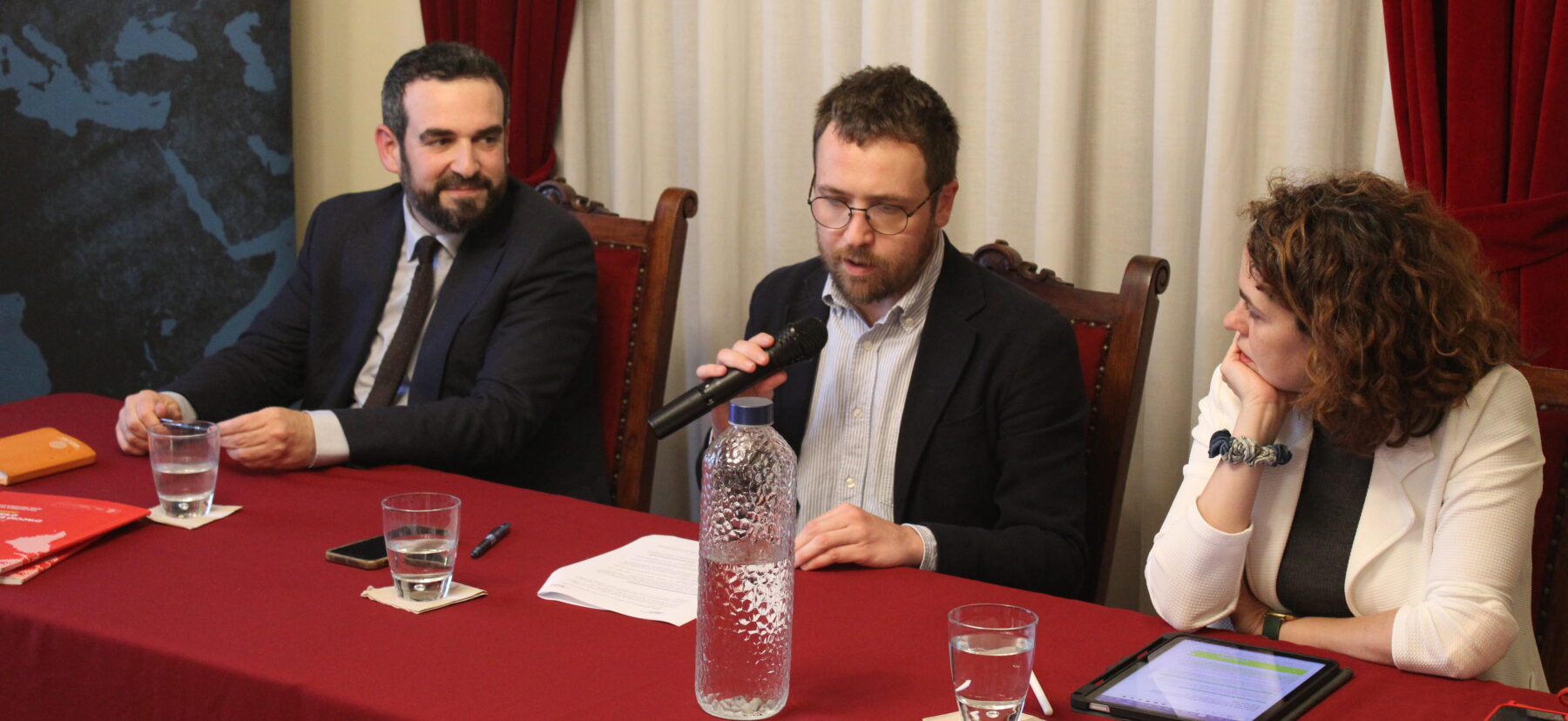
Finally, the third and last session addressed alliances in a post-liberal world, with contributions from Álvaro Imbernón, Director of the Strategy and Foresight Division at the Ministry of Foreign Affairs, European Union and Cooperation, and Marta Galceran, Principal Researcher at CIDOB. During the roundtable discussion, participants highlighted the growing importance of flexible alliances and the need to adapt international cooperation frameworks to current geopolitical dynamics.
A Successful New Edition
The conclusions of the course highlighted that, in the face of the structural challenges confronting the international order, the European Union and supranational cooperation mechanisms continue to be essential tools for ensuring stability, global governance, and the defence of democratic values.
With all in-person places fully booked and more than 300 registrations for the online format, this new edition once again confirmed the growing interest in understanding the transformations of contemporary international politics and reaffirmed the role of CEI as a leading institution for education and debate in diplomacy and international relations.
CEI International Affairs would like to thank all attendees for their participation, as well as the speakers and the Ministry of Foreign Affairs, European Union and Cooperation for their collaboration, whose commitment made possible an edition marked by academic rigour, critical analysis and interdisciplinary dialogue.