
CEI Organises the Seminar “EU-Mercosur Agreement: From Negotiation to Action”
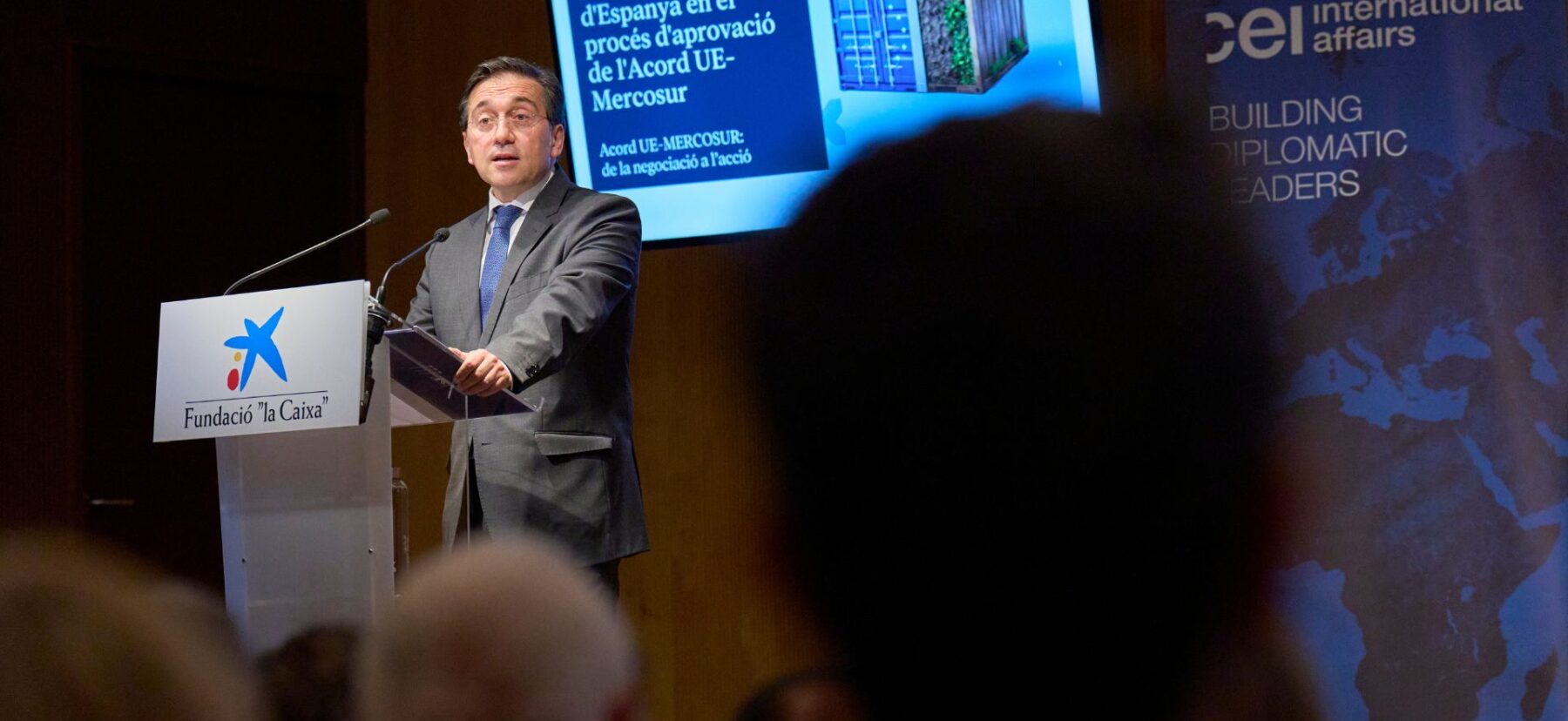
CEI International Affairs organised the seminar “EU-Mercosur Agreement: From Negotiation to Action” at Palau Macaya of the “la Caixa” Foundation, bringing together institutional representatives, experts, academics and business leaders to discuss one of the most strategic agreements shaping relations between Europe and Latin America in the current geopolitical context.
A Key Agreement for a New Stage of Regional Cooperation
After more than 25 years of negotiations, the agreement between the European Union and Mercosur is seen as far more than a trade deal. Throughout the different sessions, participants highlighted its potential to strengthen interregional cooperation, reinforce multilateralism and create new economic opportunities in an international landscape marked by geopolitical fragmentation.
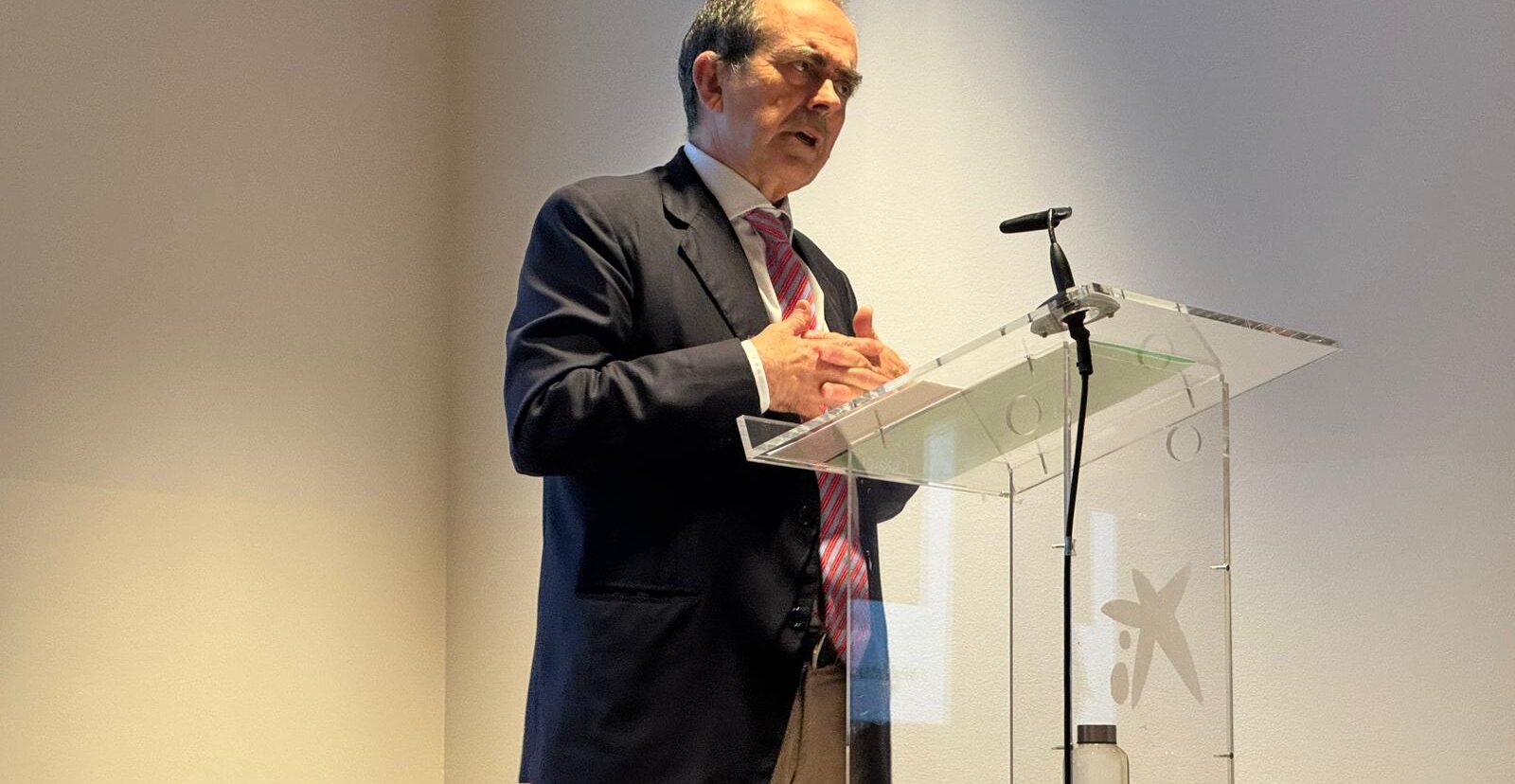
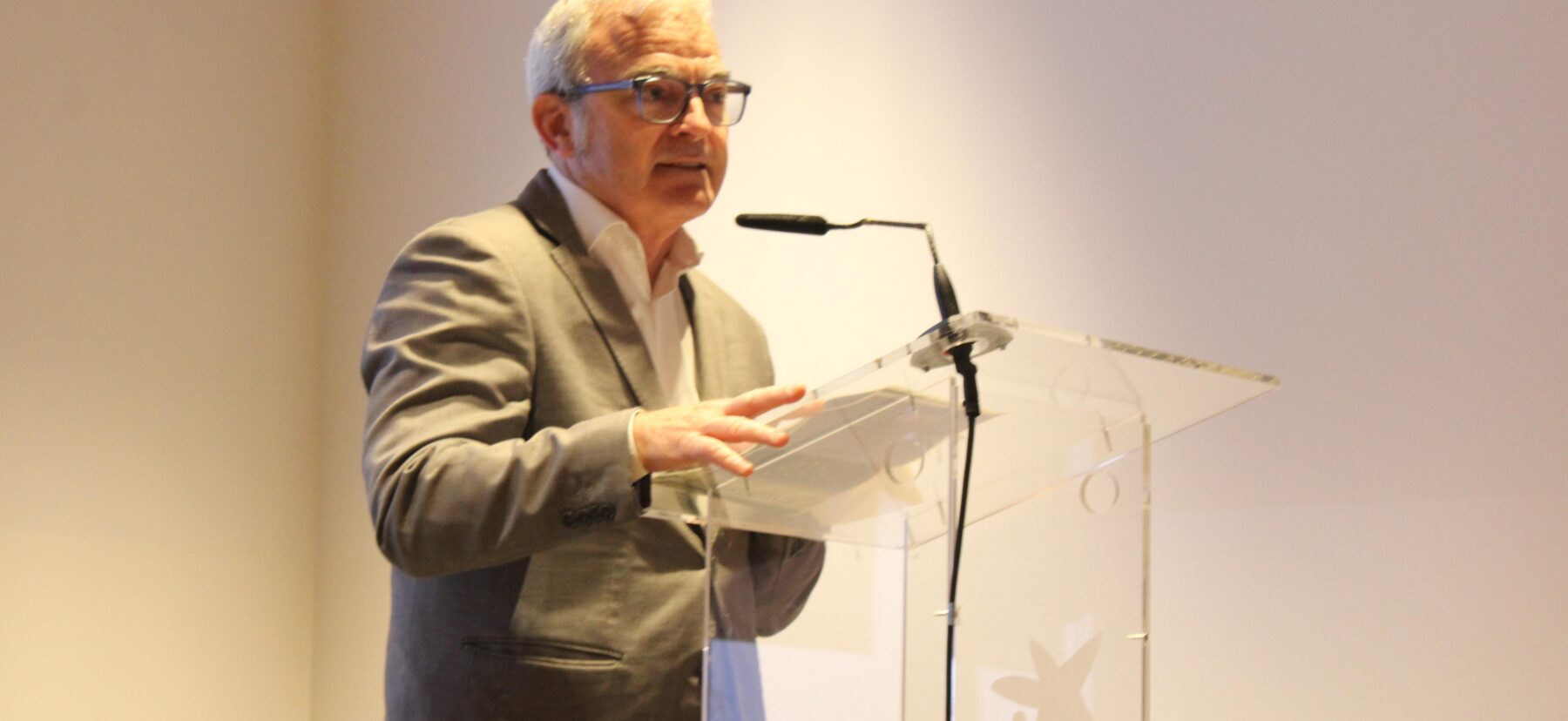
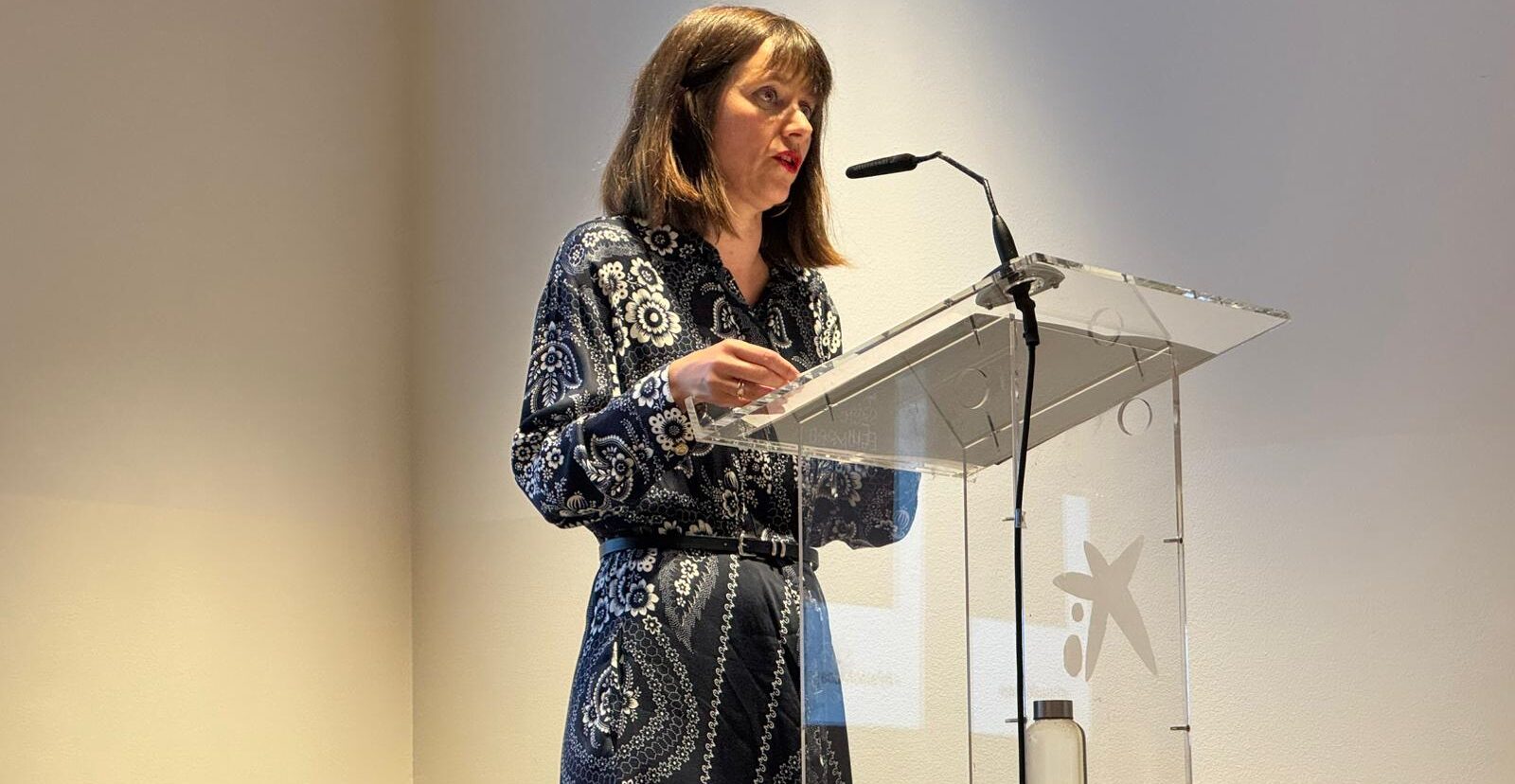
The opening session featured Josep Ollé, Director of the Observatory of the “la Caixa” Foundation and Palau Macaya; Joaquim Llimona, Director of CEI; and Lorena Elvira, Secretary General of the Department of European Union and Foreign Action of the Government of Catalonia. All three emphasised the strategic relevance of the agreement and the role of Barcelona as a hub for international dialogue.
Voices from Europe and Mercosur, Spain’s Role and the Business Impact
During the first session, speakers stressed that the agreement responds to an international context that has helped unlock a long and complex negotiation process. They also highlighted that reducing tariff barriers is only one aspect of a much broader pact aimed at strengthening legal certainty, mutual trust and cooperation between regions.
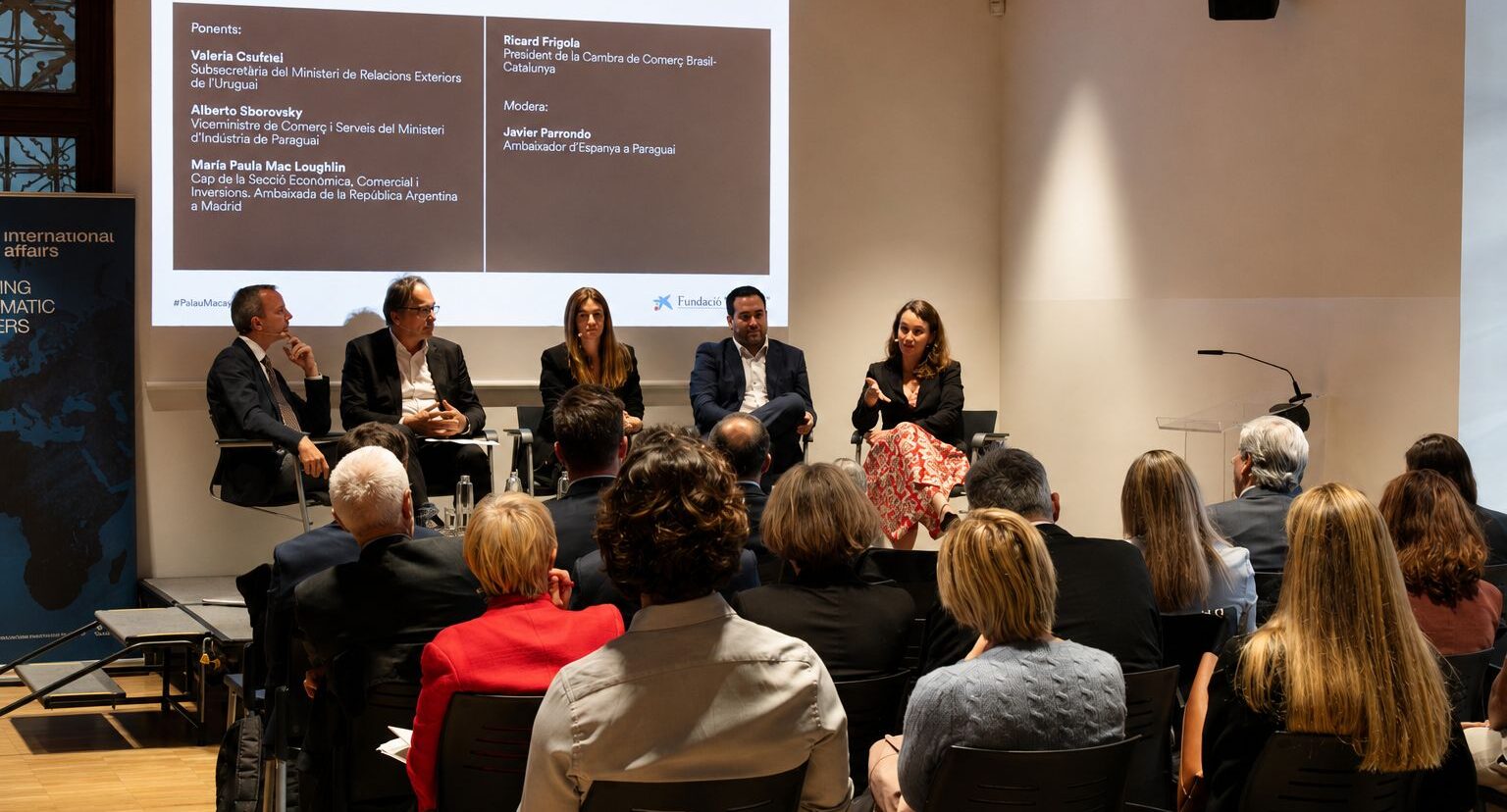
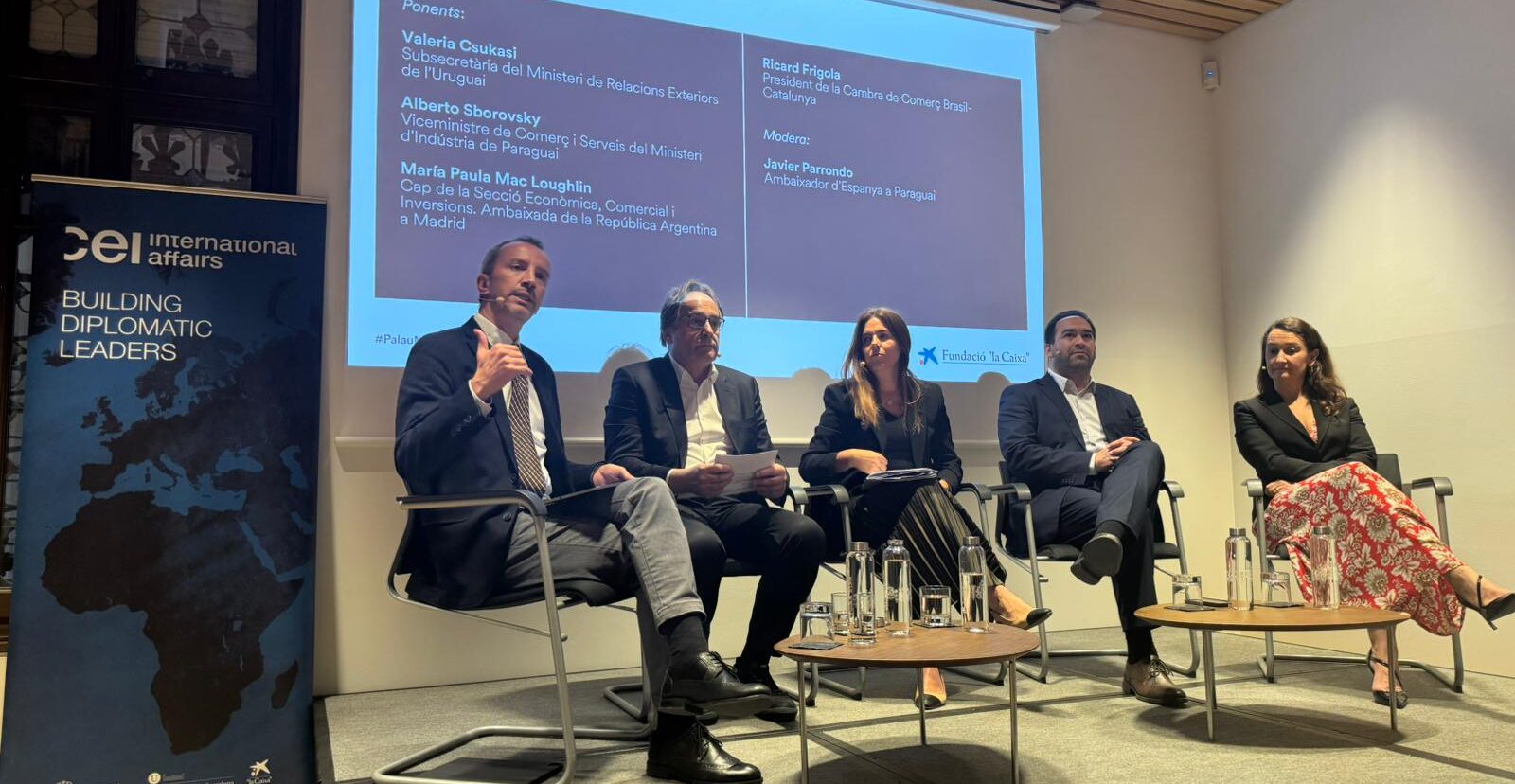
The second roundtable focused on the perspective of Mercosur countries. Moderated by Javier Parrondo, Spanish Ambassador to Paraguay, the speakers agreed that the agreement represents a historic opportunity to consolidate Mercosur’s international presence and strengthen its integration into the global economy. They also underlined that, for countries such as Paraguay and Uruguay, regional integration has been essential for expanding markets and reinforcing their negotiating capacity.
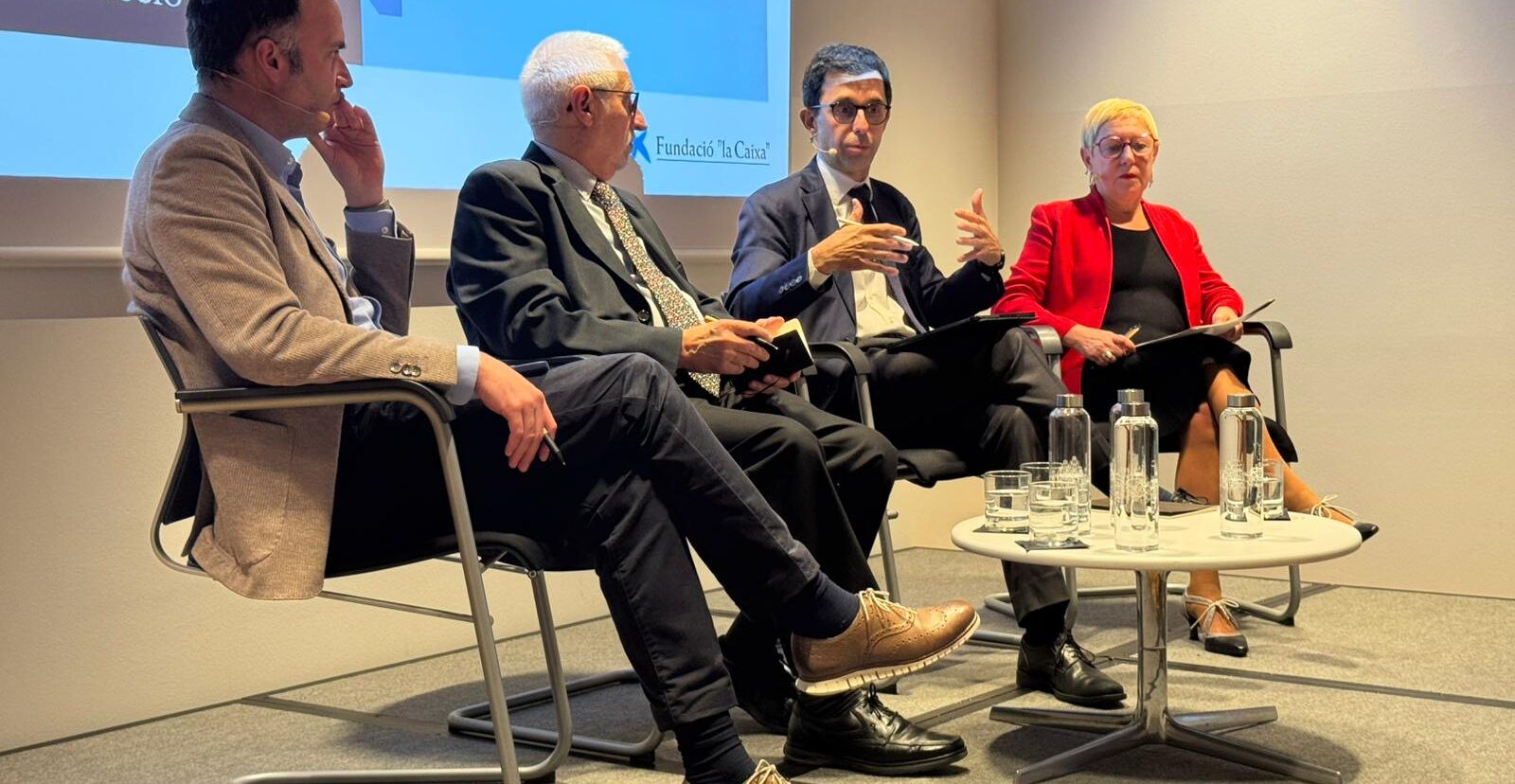
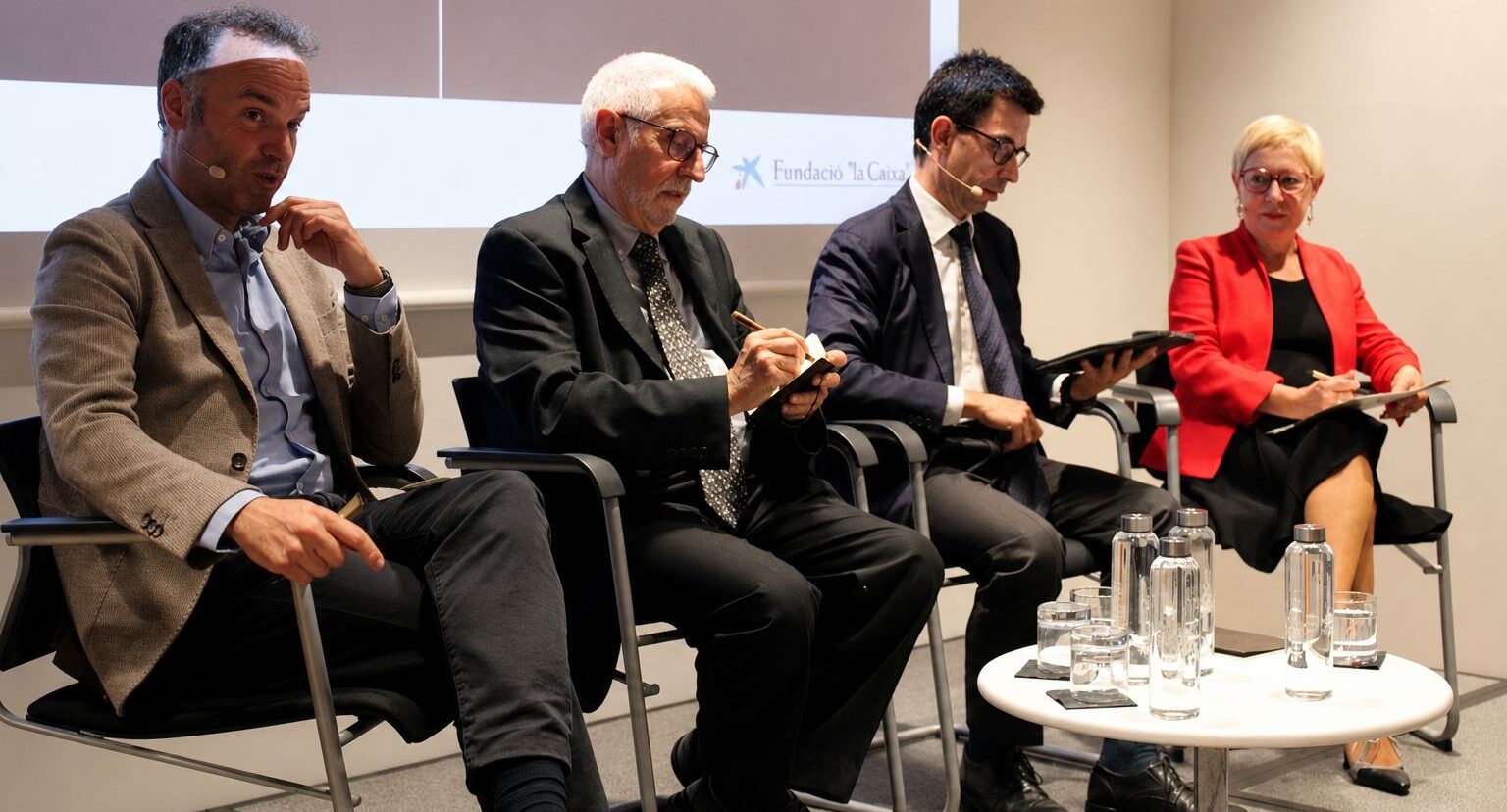
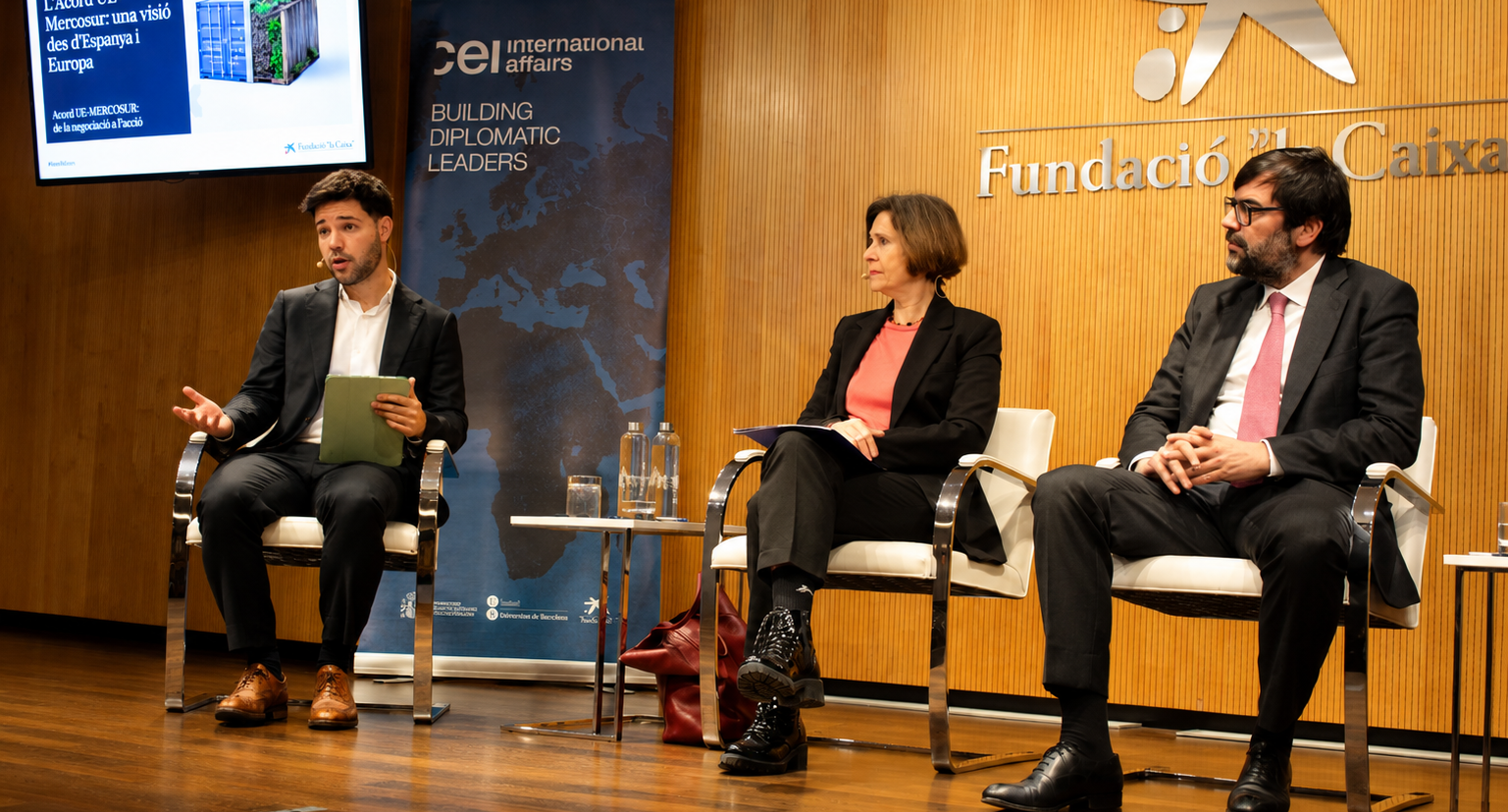
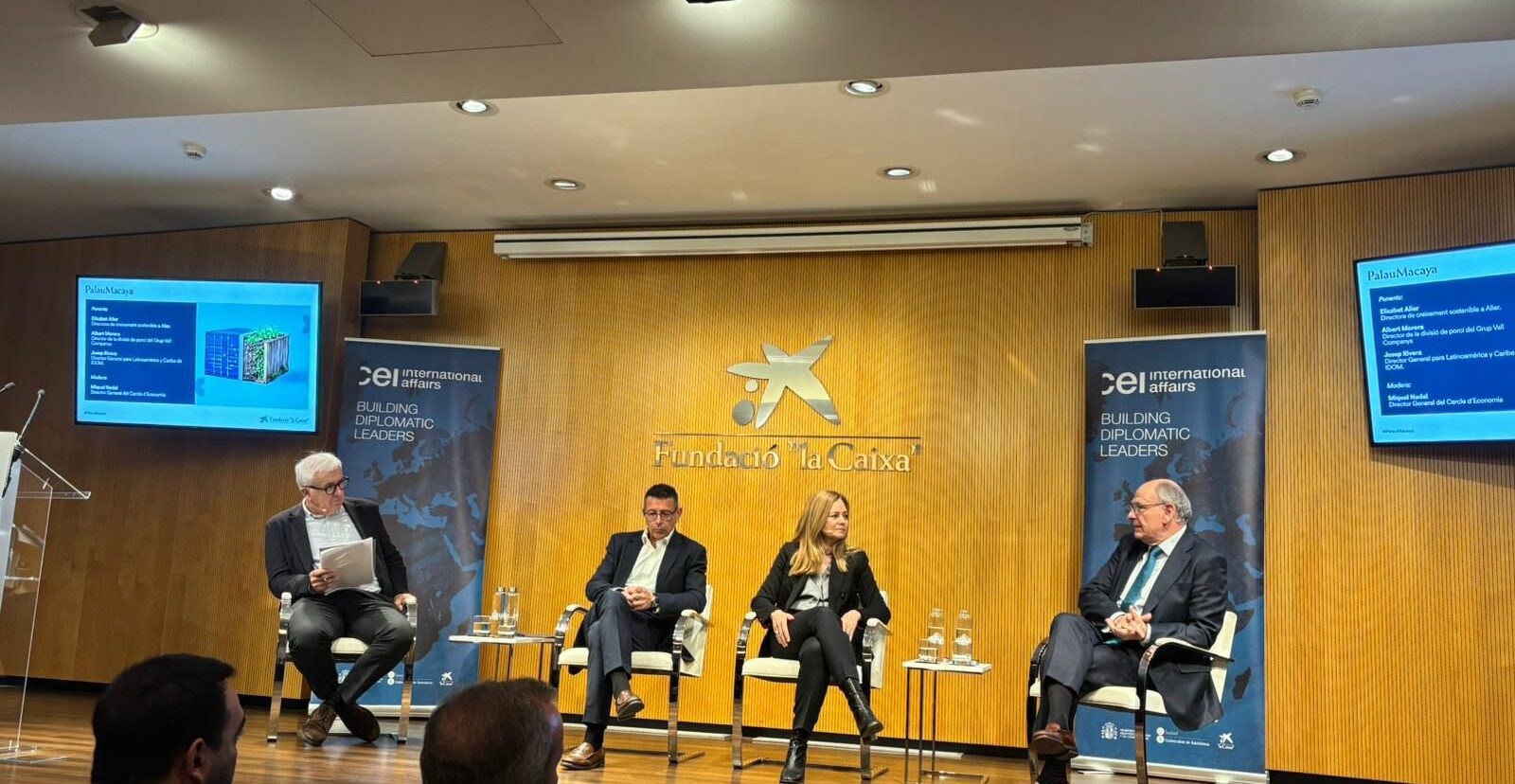
The third session, focused on the political dimension of the agreement, highlighted Spain’s role as a bridge between Europe and Latin America, as well as the importance of the pact in reinforcing a rules-based international system and promoting the diversification of trade partners in a context of growing global uncertainty.
Meanwhile, the fourth roundtable, dedicated to the impact of the agreement on the business sector, stressed that although the direct impact may vary across industries, the pact offers stability, facilitates access to new markets and contributes to strengthening Europe’s strategic autonomy.
A Commitment to Dialogue and Multilateralism
The seminar concluded with remarks by Minister José Manuel Albares, who stated that the EU-Mercosur agreement represents a firm commitment to dialogue, cooperation and multilateralism at a decisive moment for international governance.
Albares emphasised that the agreement symbolises the willingness to move towards a new stage of open cooperation between regions and constitutes a strategic response to current global challenges, reaffirming the importance of strengthening international cooperation in an increasingly uncertain global scenario.